The Honors Tutorial

The Honors Tutorial (Year 3)

Honors tutorials are small enrollment (up to 12), 3-credit classes that offer an in-depth look at a specific topic or theme. These courses are proposed by faculty from across campus, and the tutorials offered change each semester. To get a sense of what that means, check out our current Tutorials below.

You also have the option of completing our Tutorial Alternative in place of taking a traditional Honors Tutorial course. Examples of typically approved Tutorial Alternatives include study abroad, internships, REUs, etc. Learn more about the Tutorial Alternative here.

Fall 2026 Tutorials

Founded at Wellesley College, these seminars are designed to help you connect your studies to the world beyond UMaine through writing for public audiences.  In a Calderwood Seminar, you will learn how to translate complex concepts and academic knowledge into prose that is accessible to a general reader.  Instead of lengthy essays targeted primarily to your professor, you will write fast-paced, short assignments like book and film reviews, interviews and profiles, op-eds, and other forms of public writing.  Seminars involve a weekly rhythm of outside-of-class peer editing, in-class workshopping, and delivery of multiple drafts. Students rotate each week between the roles of editor and writer.

In addition to the Honors Colleges at the University of Arizona and the University of Oregon, Calderwood Seminars are taught at Georgetown University, Smith College, Bard College, Rice University, and Wesleyan University, among others. 

We will offer one Calderwood Seminar in Fall 26:

  • Telling Someone Else’s Story: Ethnography and Us (Dr. Saul Allen, Fall 26)

Click here to learn more about the Calderwood experience.

A person standing on a ladder to arrange a large gallery wall of framed photographs and artwork in a brightly lit studio.

HON 328: Telling Someone Else’s Story: Ethnography and Us

Fall 2026 | Dr. Saul Allen

Thursdays from 2:00-4:50 pm

Have you ever participated in a social setting while also noticing (perhaps suddenly!) that you were observing yourself and those around you while you spoke or acted? Our capacity to be both actors and observers is the heart of a practice in anthropology called ethnography. Ethnographic methods were originally intended to understand other people, with an emphasis on the “otherness” of the people studied. Observers wanted to explain how communities operated and what motivated their members. The approach seems simple: join a community and find out, and when needed, ask questions.

In this workshop-style course, we will use intensive writing-and-editing cycles to explore how ethnography has been conducted, what kind of information it can produce, and the sometimes-thorny issues involved in writing about people (even ourselves). Throughout, we will be oriented towards a public audience: explaining what ethnography does, making arguments about methods and ethics, and creating accessible ethnographic products. We will cross genres of public writing from web content to film reviews to short
newspaper articles. Participants in this course will join a community of writers and editors who have thought deeply about telling others’ stories – and can communicate effectively across media.

A circular, hand-woven indigenous basket featuring a sunburst pattern with alternating coils of natural tan, light blue, and brown fibers.

HON 337: Cultural Wellbeing

Fall 2026 | Dr. Mimi Killinger

Wednesdays from 2:00-4:50 pm

In this Honors tutorial we will trace historical and literary roots of wellness practices that have proven defining and nourishing for cultures out of which they have arisen. For example, we will study Penobscot Nation teachings about everyday steps as a spiritual act, and we will learn about Yom Kippur, the Jewish Day of Atonement, with its physical demands and promise of healthy renewal. We will explore Tai Chi and its Taoist foundations, as well as yoga and its origins as an ancient Hindu practice for achieving mind-body union. Through creative research strategies, active learning, and engaged discussions, we will consider many cultural pathways towards wellbeing over time.

Spring 2026 Tutorials

Care” by OiMax is licensed under CC BY 2.0.

HON 328: Making Care Public

Spring 2026 | Dr. Michael Haedicke

Tuesdays and Thursdays from 11am-12:15pm

Caring for others and being cared for are universal parts of human life, but public discourse about care is limited. As a result, the work of carers is often devalued and questions about how to organize care in an equitable and humane way are often stifled. Students in this Calderwood Seminar will engage with social science research about care that challenges these tendencies. We will work to “make care public” by learning skills to translate research findings and academic arguments into formats that resonate broadly. Together, we will explore ways to promote more thoughtful and equitable public engagement with care.

Learn more about the Dr. Bernard Lown ‘42 Honors College Teaching Professorship here.

Dinosaurs in the Museum by Bill Nicholls (https://creativecommons.org/licenses/by-sa/2.0)

HON 340: Why Museums Matter: Collections, Curating and Culture

Spring 2026 | Dr. Sabrina DeTurk

Tuesdays and Thursdays from 2:00-3:15 pm

Did you know that there are over 250 museums in Maine? Over 35,000 museums in the United States? What do they exhibit and why? Who goes to them? Who pays for them? Who cares about them? Answering those questions and more will be the focus of this course. However, rather than just exploring the world of museums as an abstract academic exercise, this Calderwood Seminar in Public Writing will ask you to explain, through different forms of writing and to different audiences, why museums matter in the 21st century. You will have the opportunity to try your hand at new genres of writing, from an “academic minute”, to wall labels, to exhibition reviews. Through the drafting and peer editing process we will form a collaborative and supportive writing community in which we can all develop our skills in public communication.

This image has an empty alt attribute; its file name is ESRRaYOXcAAYyEH-1024x760-1.jpg
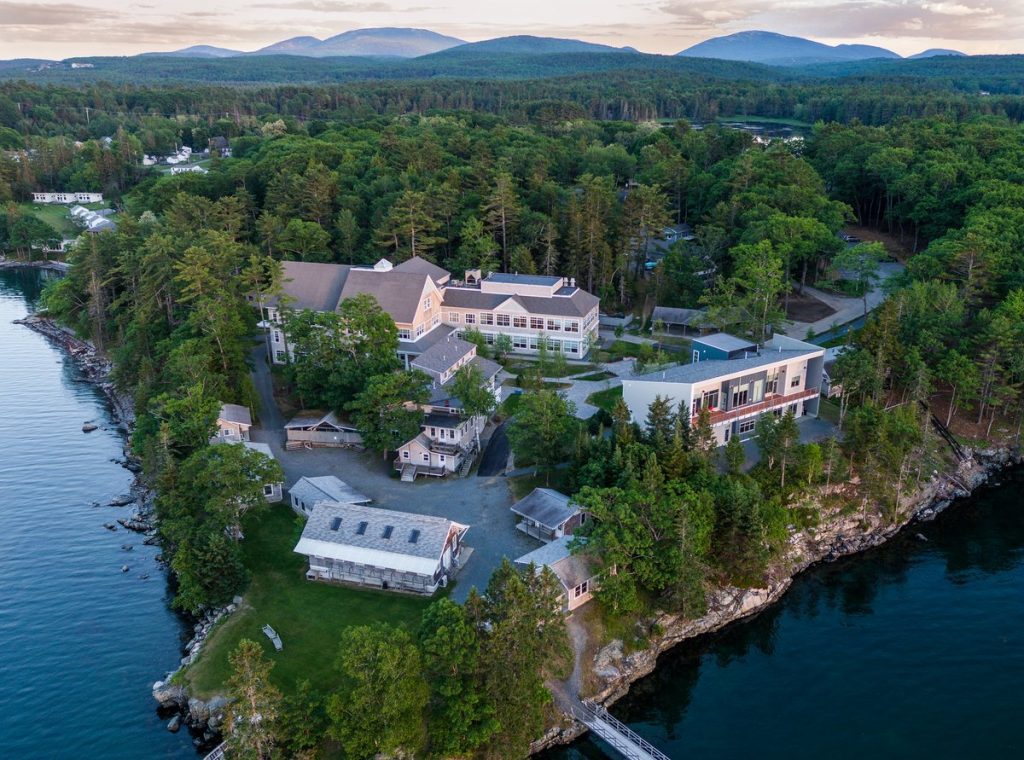
An overhead view of the MDI Biological Laboratory on the coast of Bar Harbor, ME.

HON 350: Molecular Mechanisms of Human Disease 

Spring 2026 | Dr. Ben King

The Molecular Mechanisms of Human Disease (HON 350) Honors tutorial course is designed to give students hands-on experience in biomedical research. The course is held annually over an intense week at MDI Biological Laboratory (MDIBL) in Bar Harbor, Maine and continues at the University of Maine over the course of the Spring semester.

Here’s what students have to say about the Calderwood Seminars:


“This semester, I grew immensely in my writing skills. I was challenged to write in formats I had never attempted before…My understanding of how to give constructive feedback has significantly improved since the beginning of the semester. I now feel comfortable providing feedback, even if I am not completely knowledgeable about the topic of the writing.” -Fall 2024 Calderwood Student

“I’ve grown a lot as a person this semester in my confidence. I feel much more confident in my ability to struggle with something new, stick with it, and tangibly improve. I feel more confident in sharing my opinions, which grew over the course of the term with the editorial focus of the class.” -Fall 2024 Calderwood Student

Return to Academics


The Tutorial Alternative

An Honors student poses in front of a scenic vista while traveling.
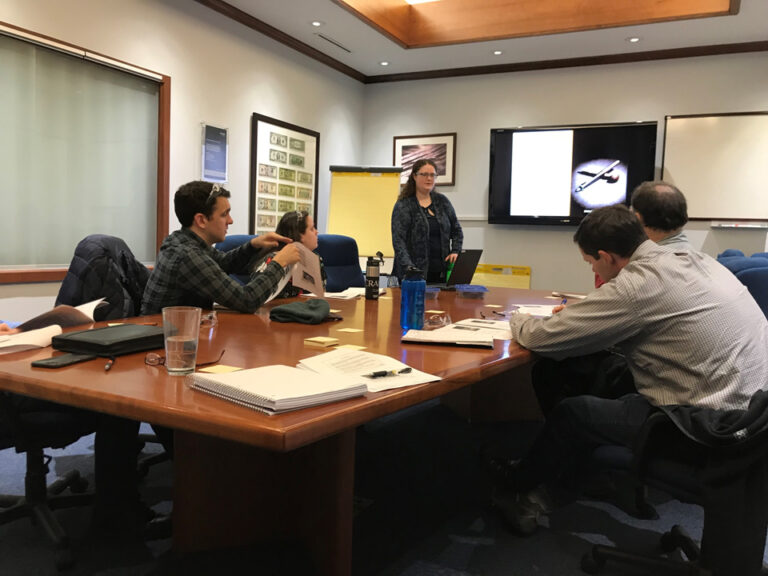
An Honors student gives a presentation at their internship.
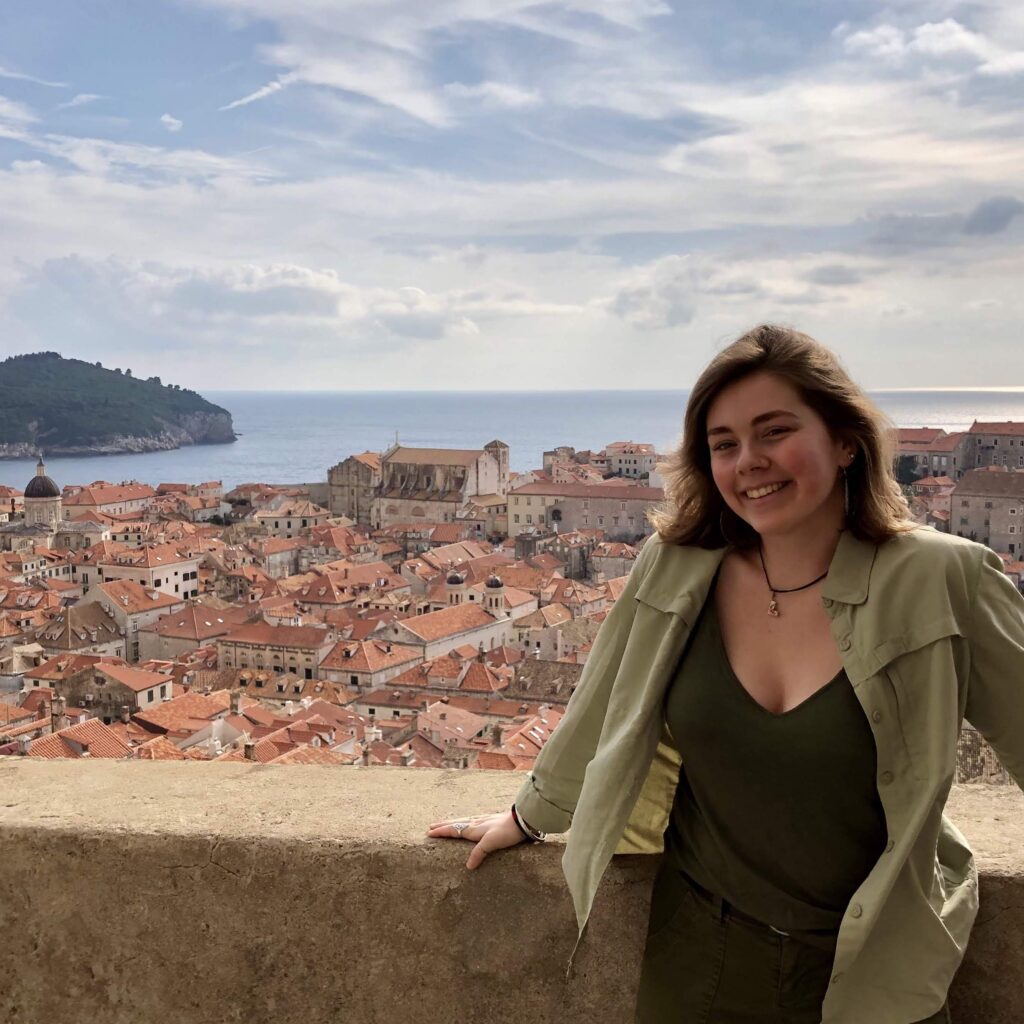
Honors student shown overlooking a city in Croatia while studying abroad.

Qualifications

In some cases the tutorial requirement may be waived based on a Tutorial Alternative, which is defined as:

An academic or experiential learning opportunity involving small group interaction that is not available at the University of Maine and that is pre-approved by the Dean of the Honors College.

Tutorial Alternative opportunities should include some if not all of the following: 

  • application of academic knowledge,
  • intellectual merit,
  • independent work, 
  • a cultural experience, 
  • and personal initiative. 

Because the alternative is in lieu of a 3-credit course only proposals that indicate the student will spend a comparable amount of time (approximately 80 hours, which can include preparation time for the experience as well as the experience itself) will be approved.

Such opportunities include, but are not limited to, study abroad experiences, engineering cooperatives, congressional internships, participation in Semester By the Sea, cultural/language immersions, recognized summer REUs (Research Experiences for Undergraduates).

For information about Study Abroad opportunities through the University of Maine, click here to visit the website of the Office of International Programs.

Special Course Substitutions: The following UMaine courses for students studying Nursing, Education, Child Development and Family Relations, or Kinesiology and Physical Education can be substituted as Honors Tutorial Alternatives. These course substitutions should help make it much more possible to graduate from the Honors College with these degrees. 

  • NUR 306 – Care of Adults II Clinical
  • NUR 419 – Introduction and Service to Global Health
  • EHD 400 – Field Observation (Activity)
  • CHF 496 – Field Experience in Human Development and Family Studies
  • KPE 427 – Internship

You will still need to submit the application, enroll in HON 349, and complete the requirements* for the course, as described below.

*We understand that there can be legal restrictions on photographs during these courses due to patient or student confidentiality, etc. In these circumstances, we are able to grant an exemption for the requirement of 6 photos. If this applies to you, please simply reach out to the course coordinators when you are enrolled in HON 349 to let them know.

Instructions

Honors College students wishing to substitute an academic or experiential learning opportunity not available at the University of Maine in lieu of the  third-year tutorial must:

  • Apply: Submit an application for a tutorial alternative at least one month before embarking on your experience.  Click here to submit your application for a tutorial alternative.  (Typically you will be notified of whether your proposal is approved within two weeks of submission.)
  • Enroll: If approved, register to take HON 349 after you have returned by emailing sandra.c.tijerina@maine.edu. HON 349 is a 0 credit, P/F course. HON 349 should be taken within two semesters of the end of experience on which the Tutorial Alternative is based. NOTE: HON 349 is a 0 credit course. Taking this course will not add any credits towards a student’s full-time load in consideration of Financial Aid awards that are dependent on this.
  • HON 349 Course: Complete the HON 349 course which requires submission of the following assignments:
  • Evidence of successful completion of any coursework involved in the Tutorial Alternative opportunity, typically a transcript or certificate (if applicable)
  • At least six photographs representative of the experience, including pictures of the student, that are suitable for the Honors College website, and
  • Completion of ONE of the following options:
  • ESSAY – A three- to five-page, double-spaced, reflective essay, OR
  • VIDEO – A three to five-minute video reflecting on your experiences.

If you have any questions about the Tutorial Alternative or HON 349, please reach out to sandra.c.tijerina@maine.edu.